
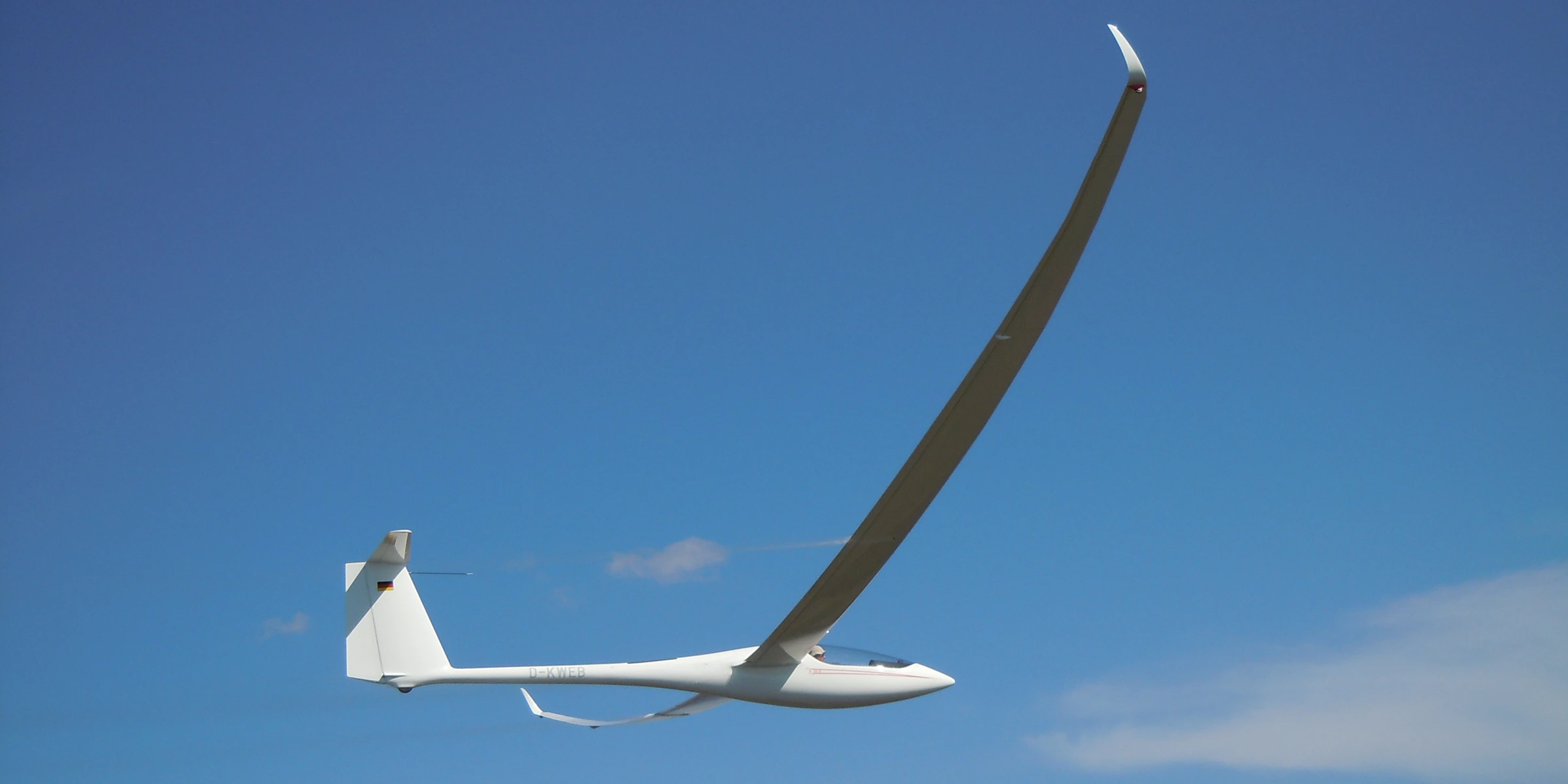
The EB29 combines self-launching high-performance gliding technology with variable wingspan, low weight and individually adjustable wing loading – for uncompromising performance and comfort.
Single-seater EB29
The superlative single-seater, developed for champions.
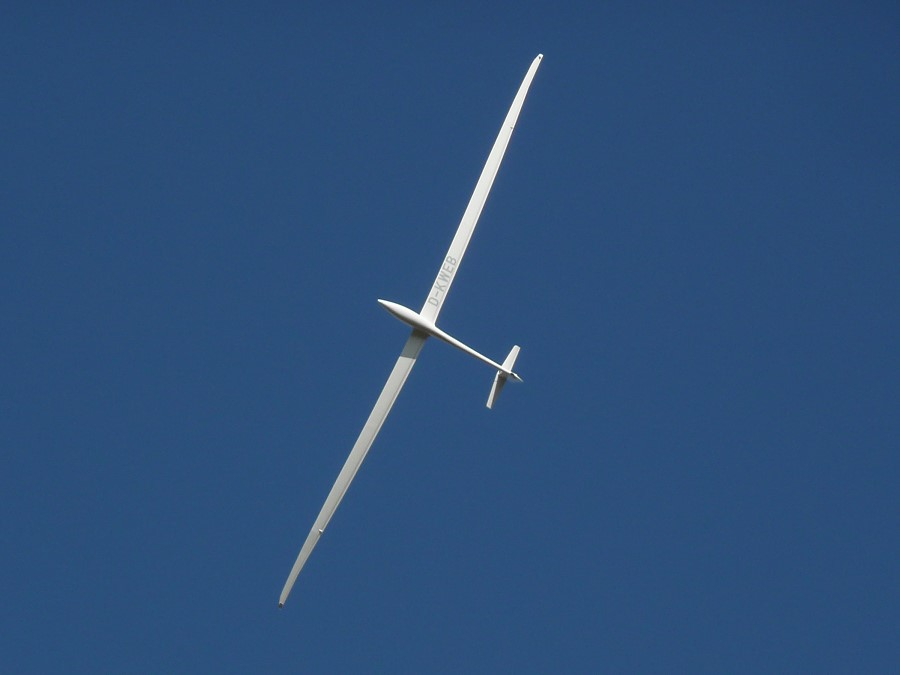
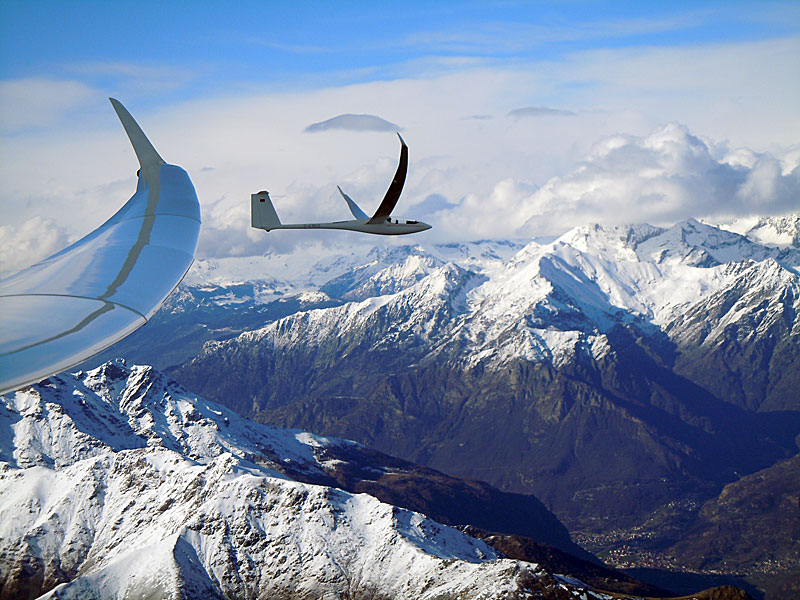
The EB29 is the single-seater for the open class that sets new standards. Low weight and high payload capacity – not only as water ballast – offer maximum flexibility for all flight plans. Aerodynamically optimised wings with winglets enable impressive pre-flight speeds and excellent slow flight characteristics.
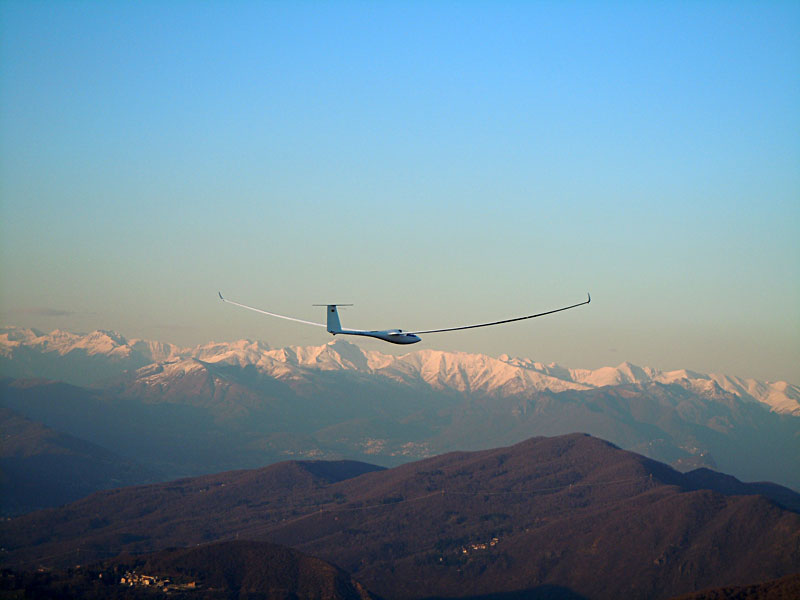
The variable wingspan of 25.3, 29.3 or standard 28.3 metres allows individual adaptation to weather conditions and competition requirements. The spacious cabin, ergonomic controls and electric retractable landing gear ensure comfort and safe handling, while meeting the highest safety standards according to CS-22 construction regulations.
The EB29 is a glider for pilots who are looking for cutting-edge technology and a personalised flying experience.
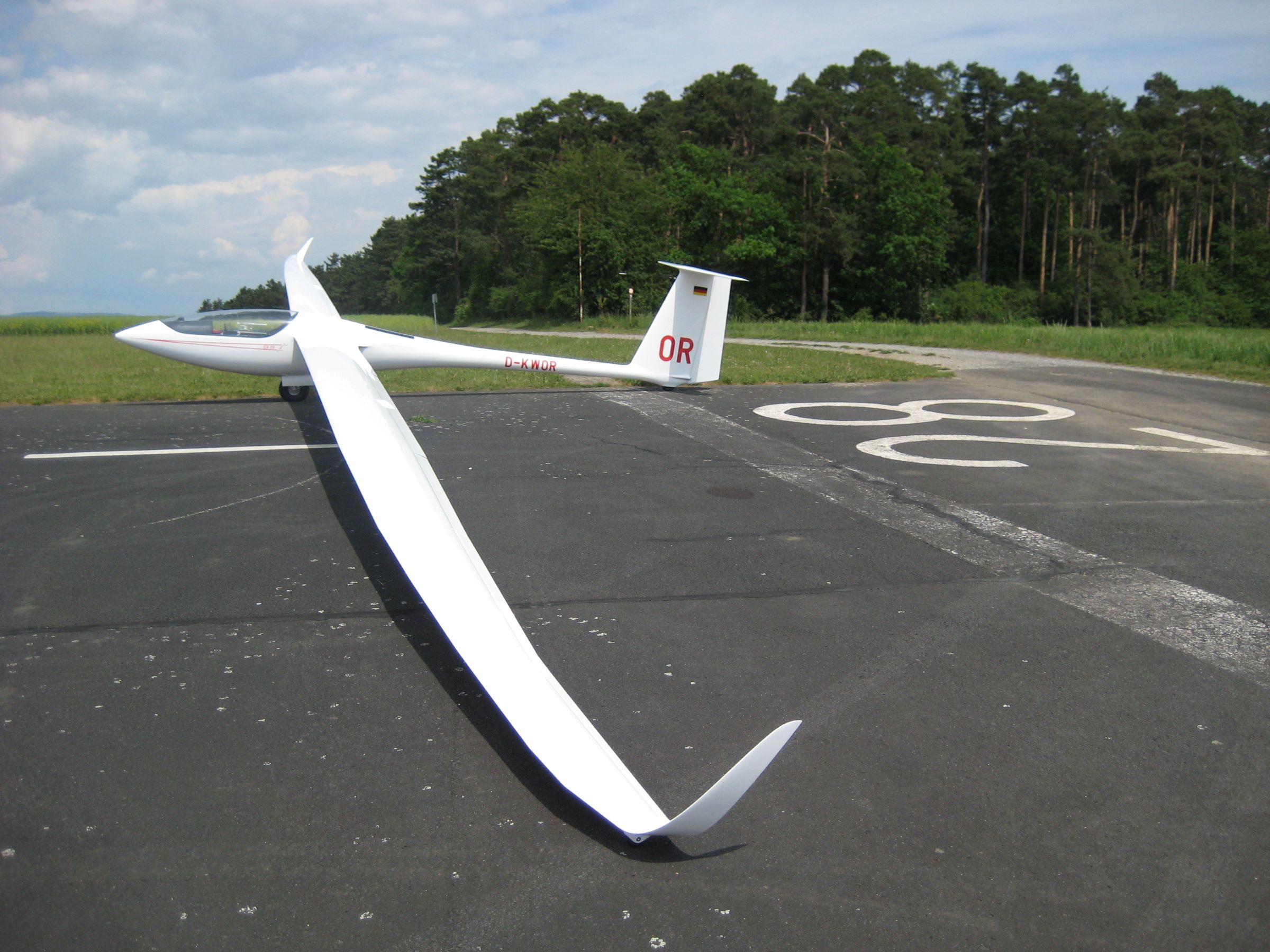
Optimised design of the wing geometry
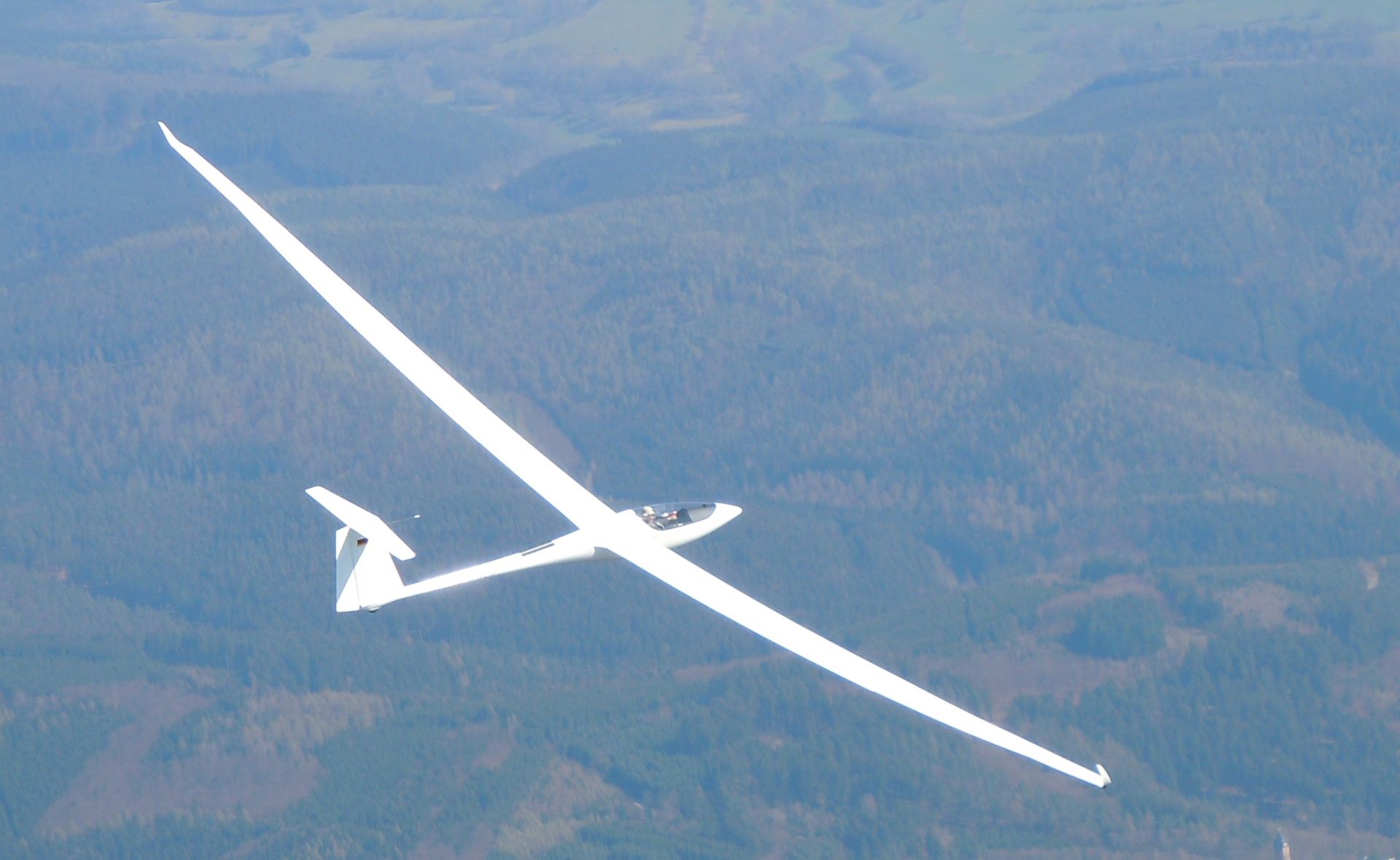
Small wing area for high wing loading
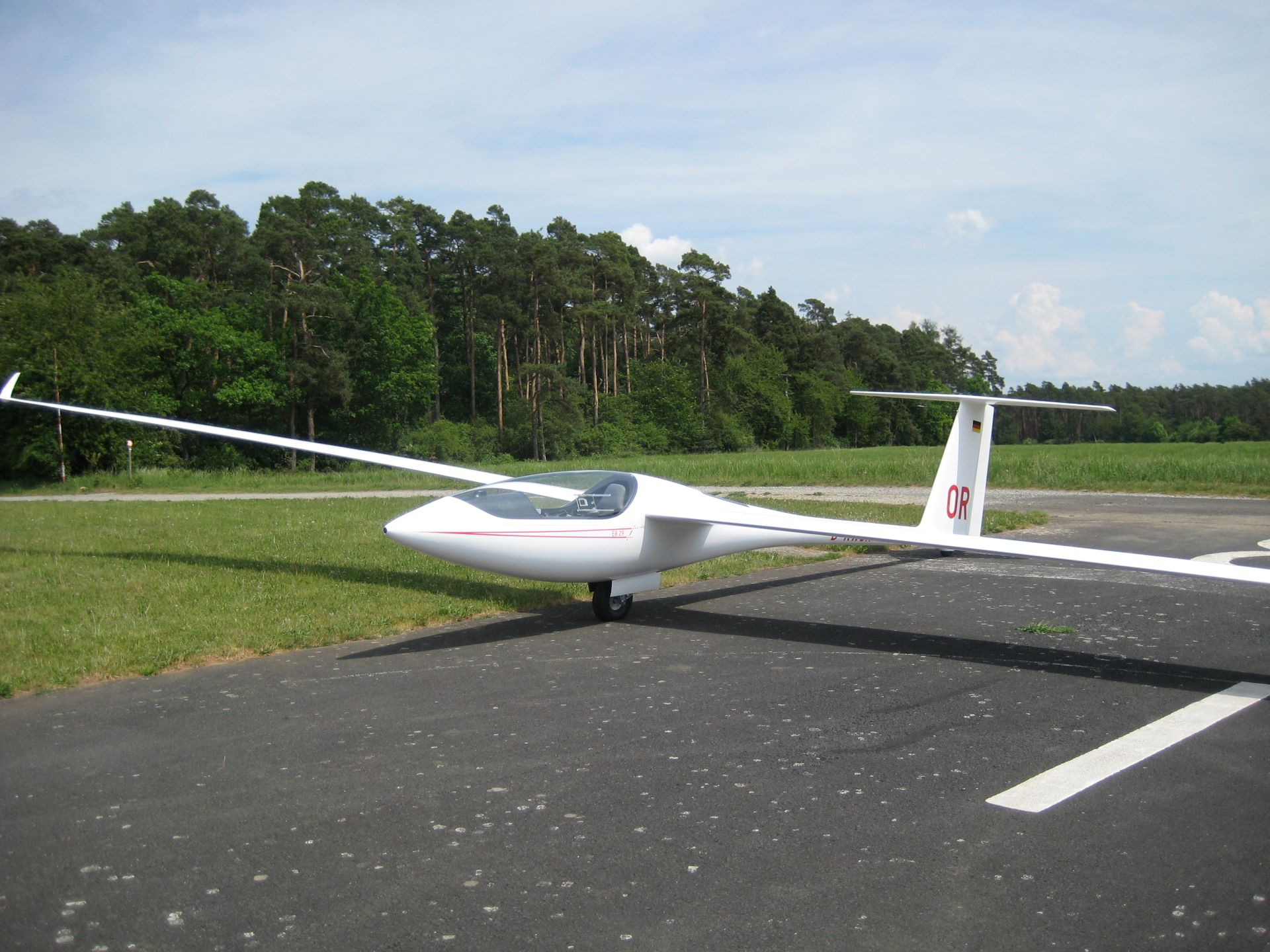
Wing profile with low height
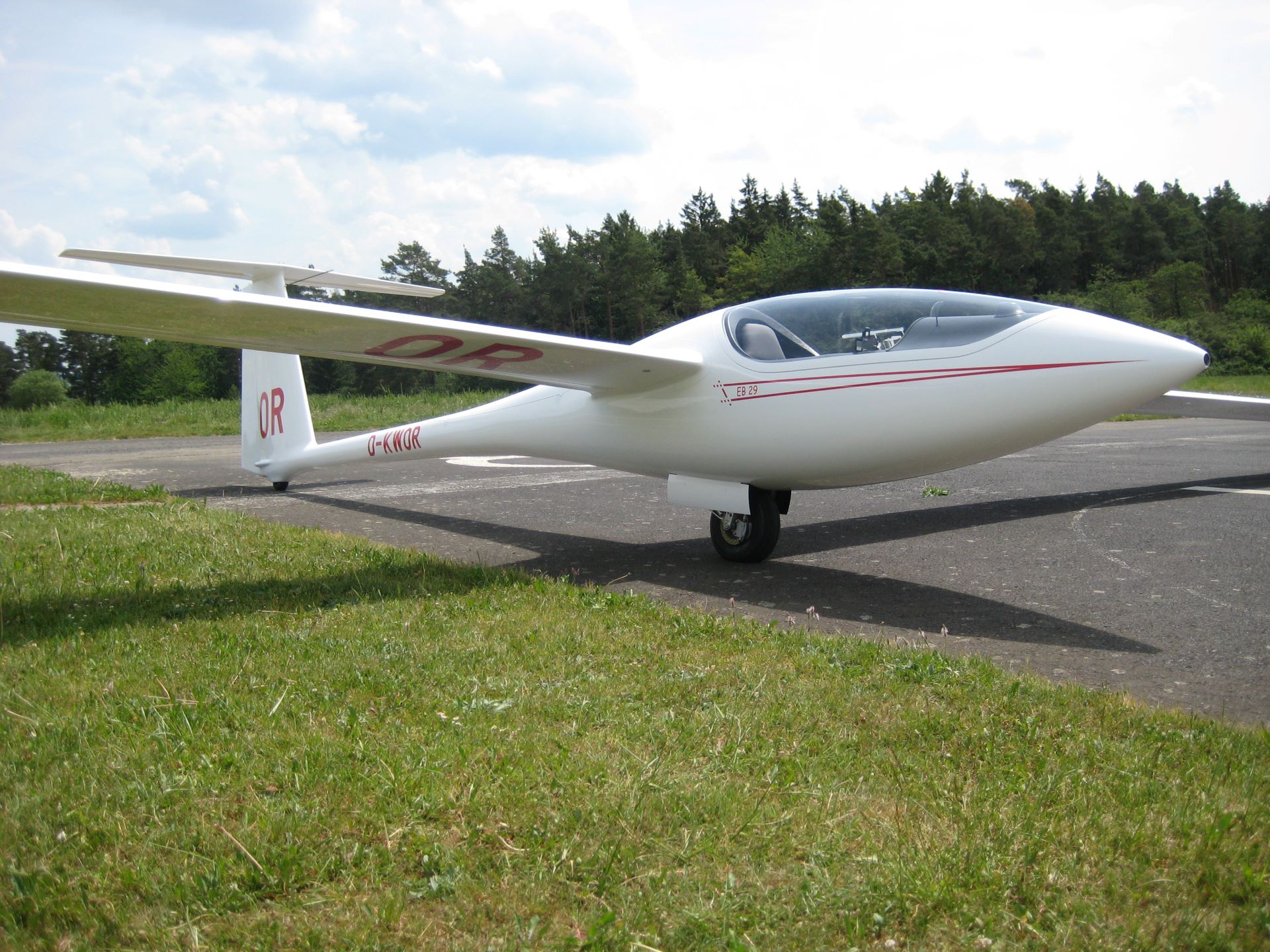
Electrically retractable landing gear
Are you curious?
Get to know our aircraft and all their technical features in person – we will be happy to advise you!
Technical Data EB29
| wing span | 25,3 m | 28,3 m | 29,3 m |
| wing area | 15,4 m² | 16,5 m² | 16,8 m² |
| aspectet ratio | 41,6 | 48,5 | 51,1 |
| fuselage length | 8,0 m | 8,0 m | 8,0 m |
| height (fin plus tail wheel) | 1,8 m | 1,8 m | 1,8 m |
| emty weight with minimal equipment | ca. 580 kg | ca. 580 kg | ca. 580 kg |
| maximum ramp weight | 900 kg | 900 kg | 900 kg |
| wing loading minimum | ca. 43,8 kg/m² | ca. 41,0 kg/m² | ca. 40,5 kg/m² |
| wing loading maximum | 58,5 kg/m² | 54,5 kg/m² | 53,6 kg/m² |
| maximum speed | 280 km/h | 280 km/h | 280 km/h |
| best gliderratio | ca. 63 | ca. 66 | ca. 68 |
| Solo engine | ca. 64 PS | ca. 64 PS | ca. 64 PS |
| propeller Binder BM-G1 | d 1,6 m | d 1,6 m | d 1,6 m |
| rate of climb with engine | 2,6 m/s | 2,6 m/s | 2,6 m/s |
| cruise speed in powered flight | max.160 km/h | max.160 km/h | max.160 km/h |
| tank capacity (standard) | 23 ltr | 23 ltr | 23 ltr |
| data sheet | EASA.A.559 | EASA.A.559 | EASA.A.559 |
Gallery
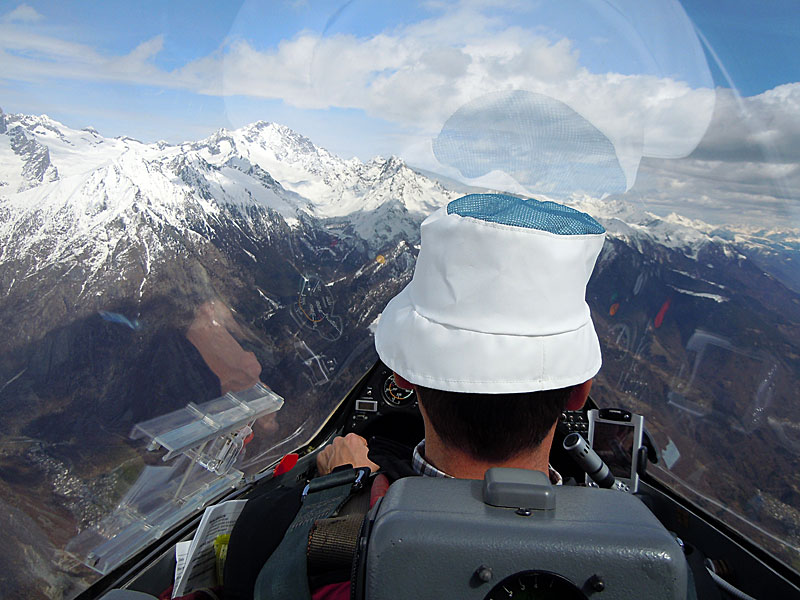
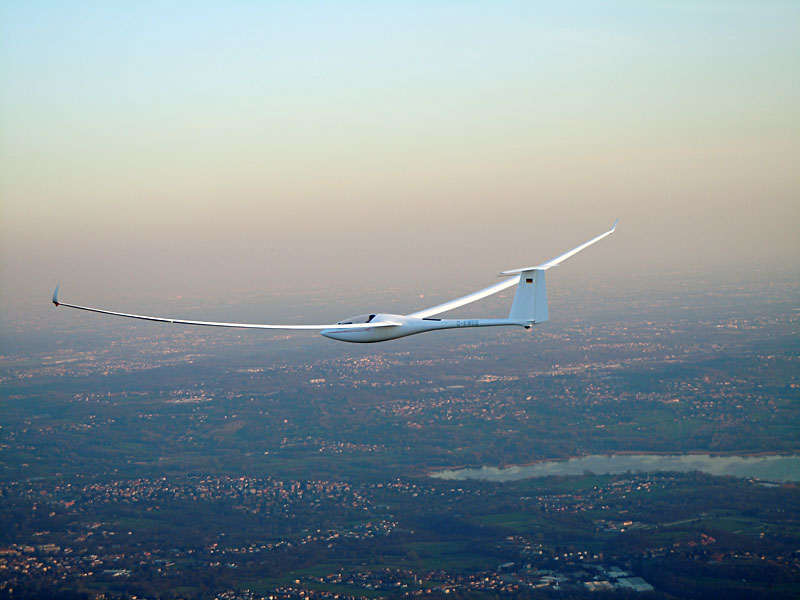
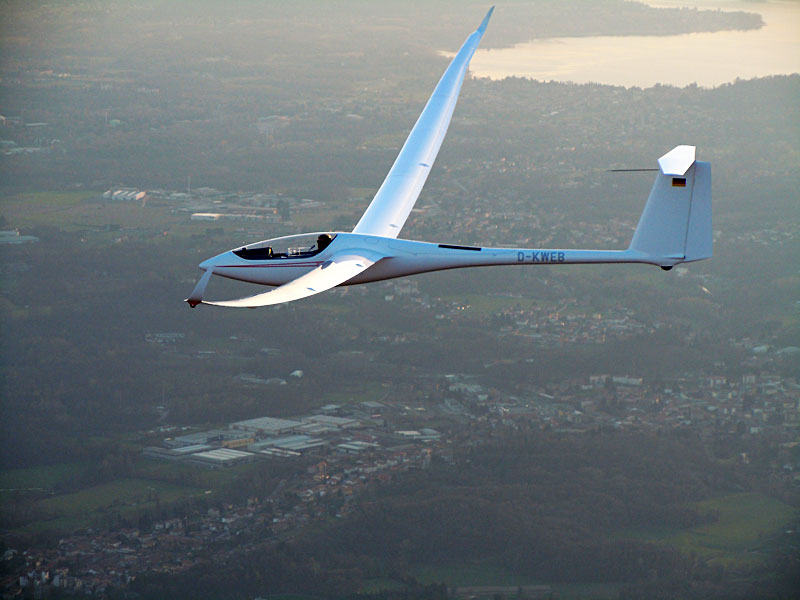
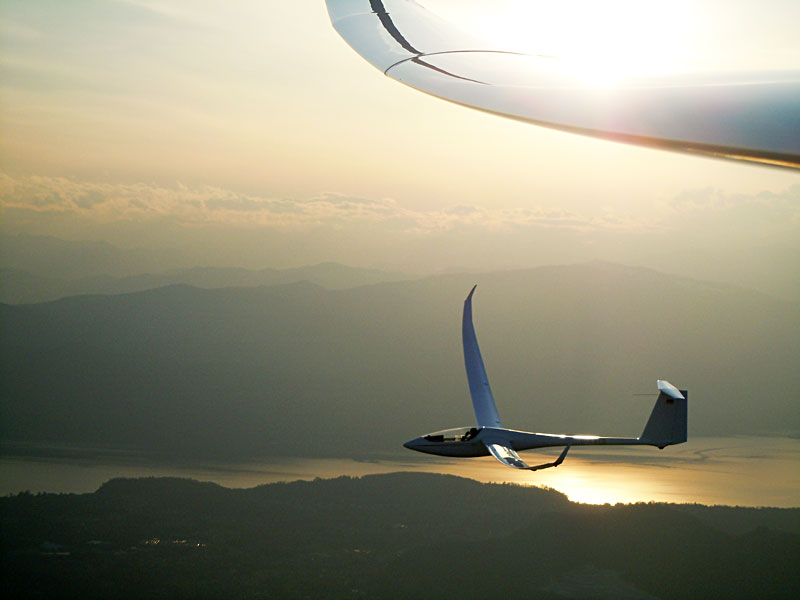
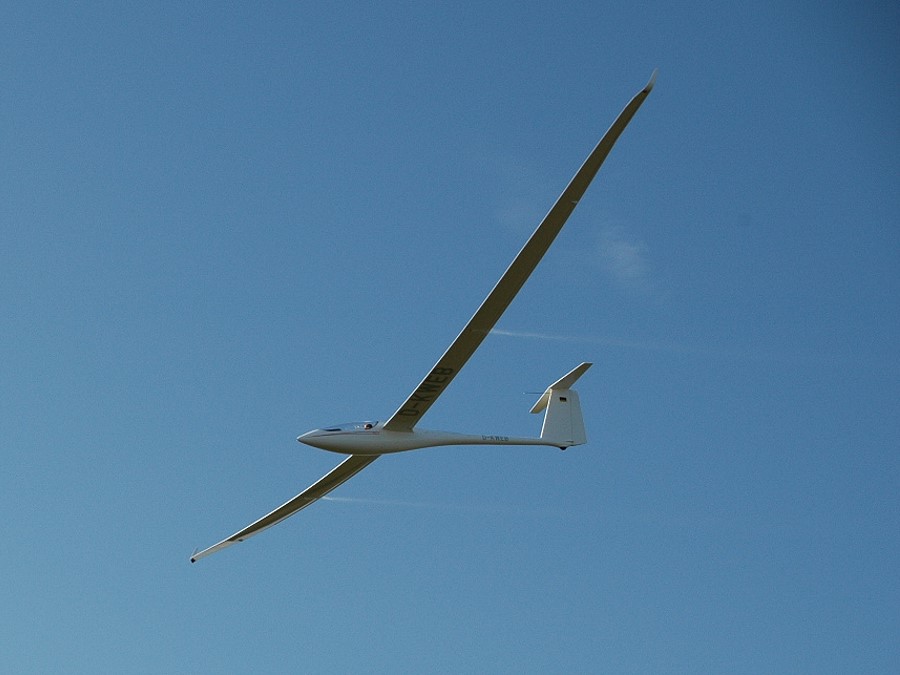
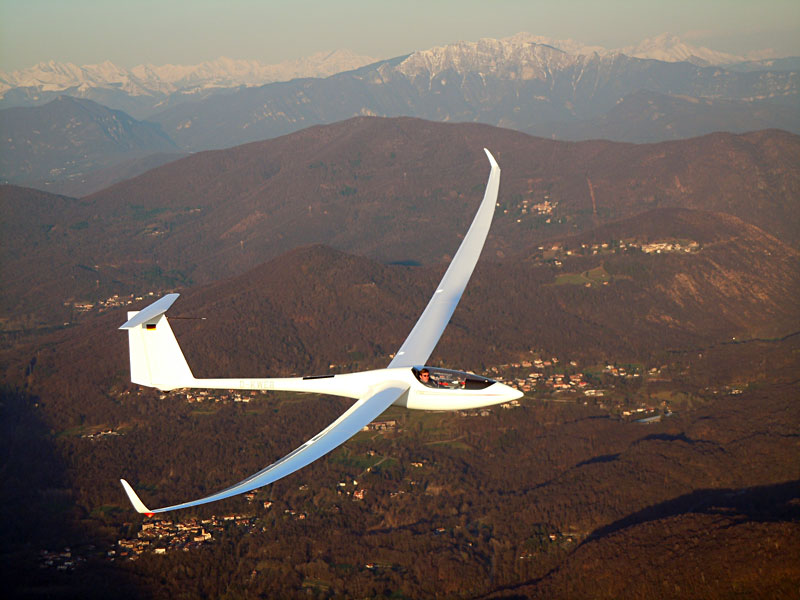
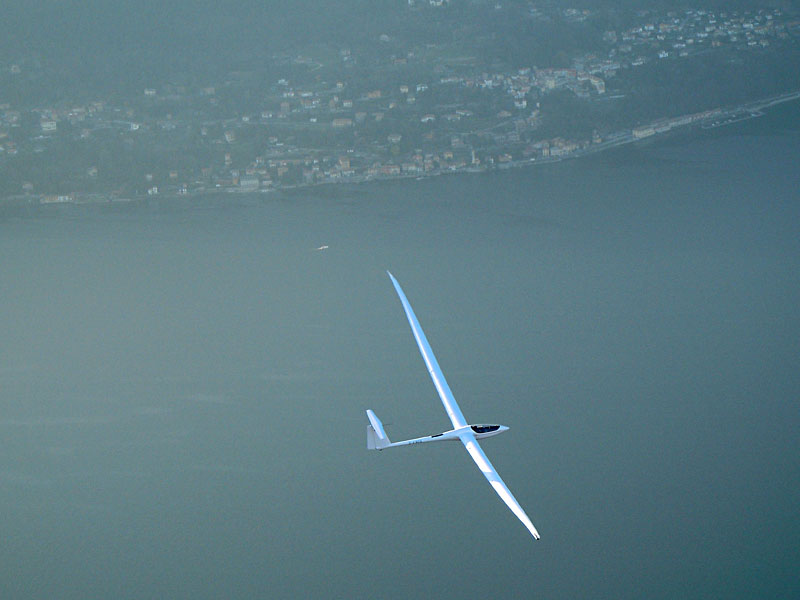
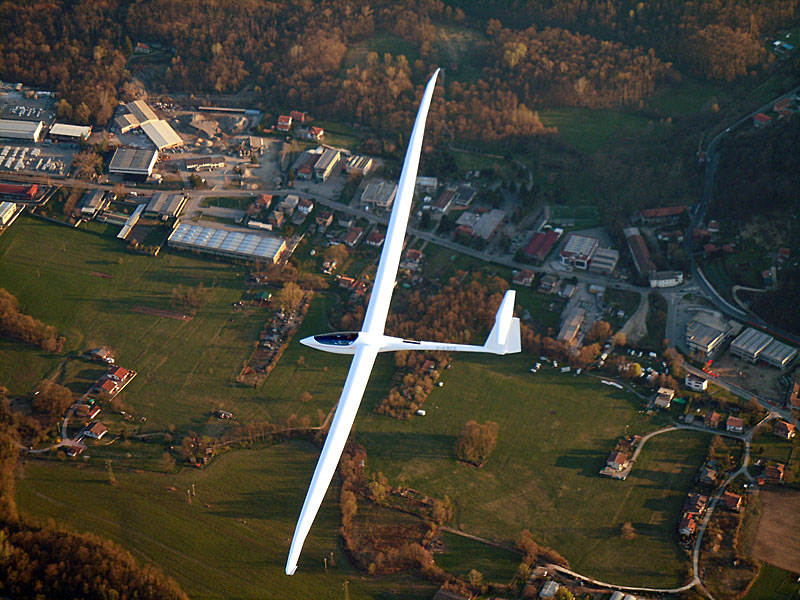
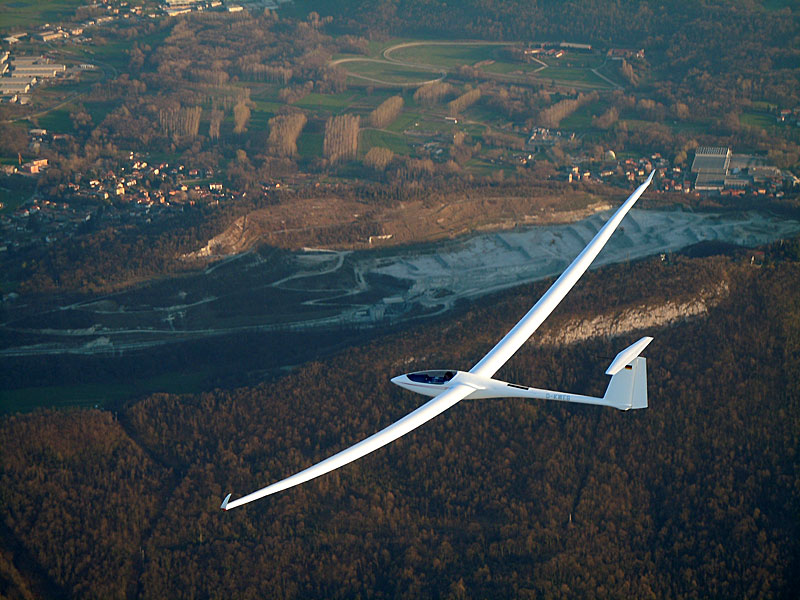
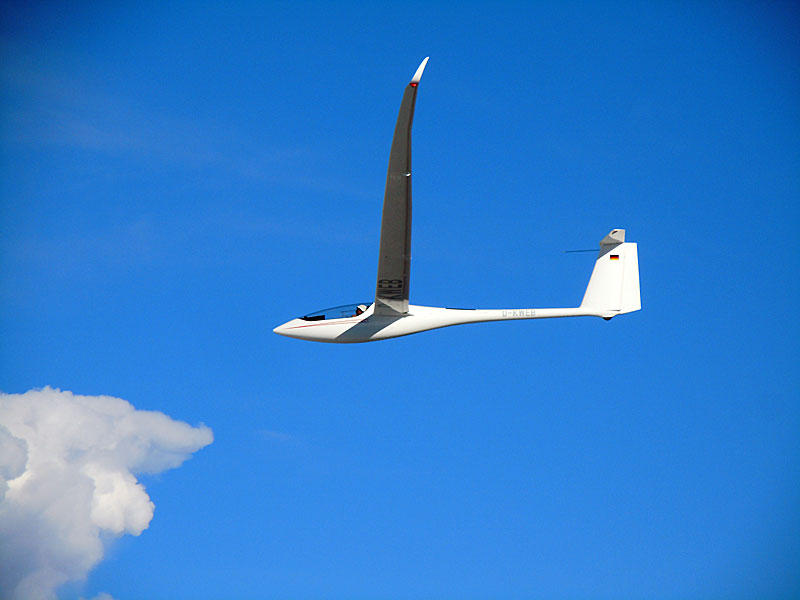
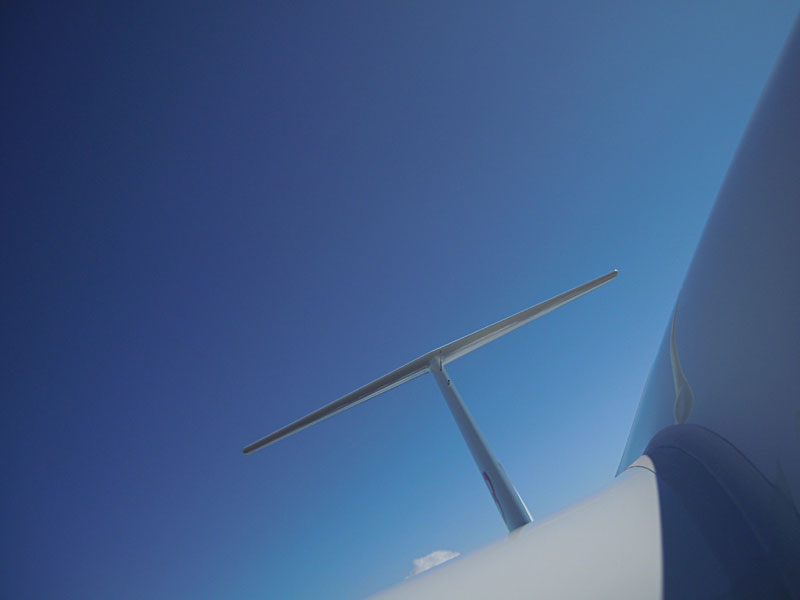
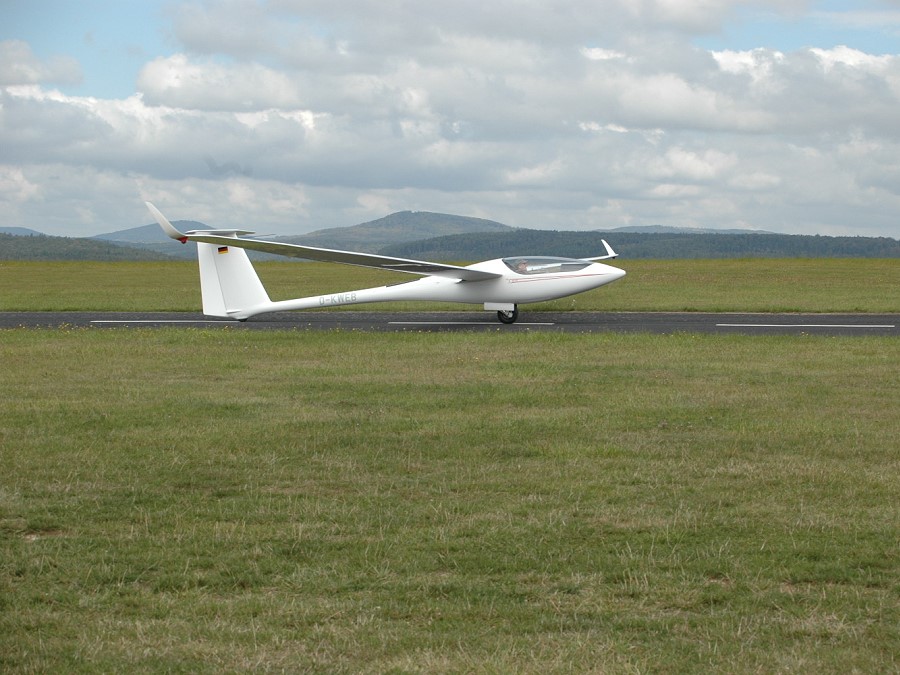
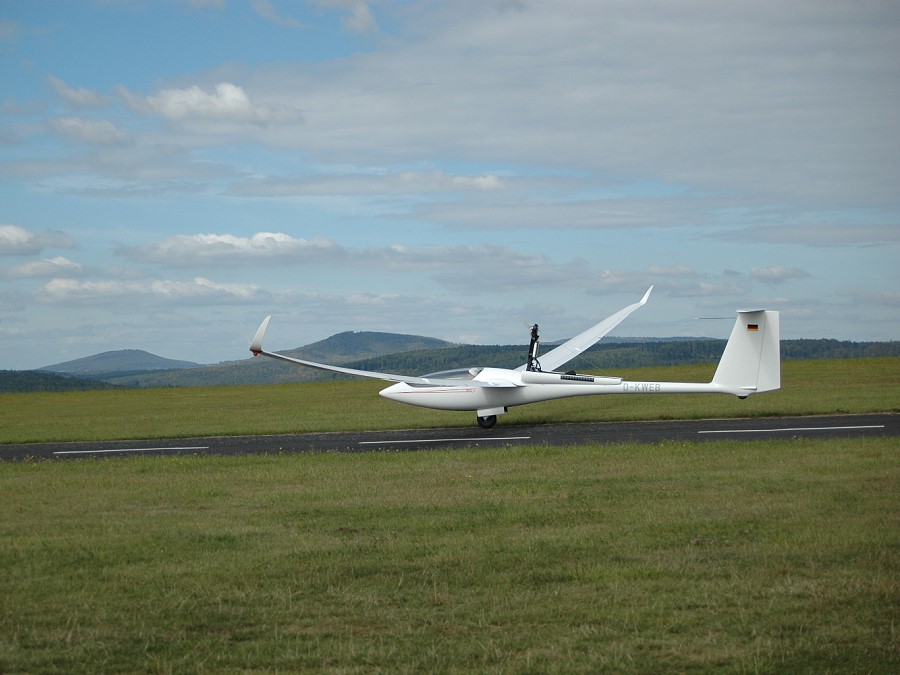
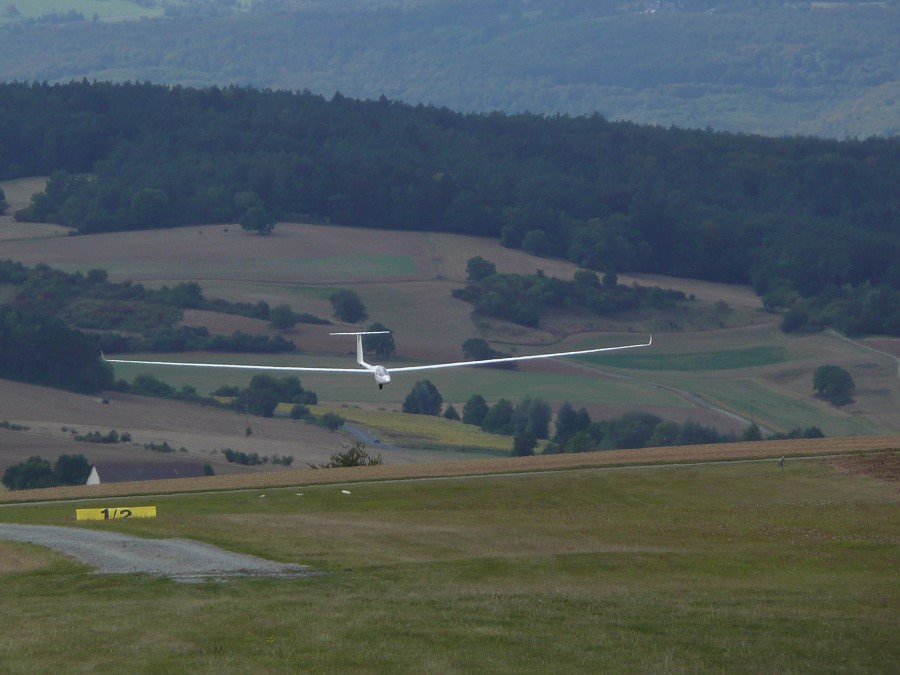
description EB29 single-seater
fuselage
- body shell made of fibre reinforced plastic (CFK and aramide)
- extra spacious cockpit suitable also for tall pilots
- forward swinging canopy including one sliding window with integrated ventilation scoop
- instrument panel moves upward with the canopy
- TOST-safety release (for aero tow)
- total pressure probe in tip of the fuselage nosecone
- adapter in the fin to fit TEK probe
- static pressure probes (for air speed indicator and altimeter) on both sides of the tail boom
landing gear and brakes
- rubber suspended, electrically operated retractable landing gear
- hydraulic disk brake
- tail wheel
power plant
- power plant retractable into the fuselage
- solo engine 2625 02
- tooth belt driven reduction gear (1:3)
- water cooling
- double ignition
- electrical starter
- batteries with 16,8 V max charching voltage for improved extension and retraction as well as starting of the engine
- engine control instrument fitted to the instrument panel
- Propeller Binder BM-G1-160-R-120-1
fuel tank
- in the fuselage ~23 litres
- optional 11 litres per wing
antenna
- radio antenna in rudder
- optional transponder antenna
cockpit
- removeable bucket seat
- safety belt
- seat cushion
- ram air entrance in the nosecone of the fuselage for ventilation and defogging of the canopy
- controllable ventilation on right side of the cockpit
controls
- rudder control pedals adjustable during flight
- control rods made of CFK
- electrically adjustable trim with the operating switch on the control stick
- automatic elevator connection
wings
- 8-part wing with boundry layer control on the lower wing surface
- wingtip with winglets for wingspan 25,3 m, 28.3 m or 29.3 m
- built using high modulous (HM) carbon fibre
- aileron and flap gaps covered with mylartape
- double panel air brakes on the upper wing surface
water ballast
- water ballast bags in the outer wings, each with a capacity of approx. 50 litres
- water ballast bags in the inner wings, each with a capacity of approx. 45 litres
- water ballast tank in the fin to allow for compensation of CG-movement using water ballast in the wings
finish and design
- white two component polyester coat or PU-coat
To minimize the structural weight the main parts of wing and fuselage are built using vacuum suction method. This allows the utmost possible spread in wing loading.