
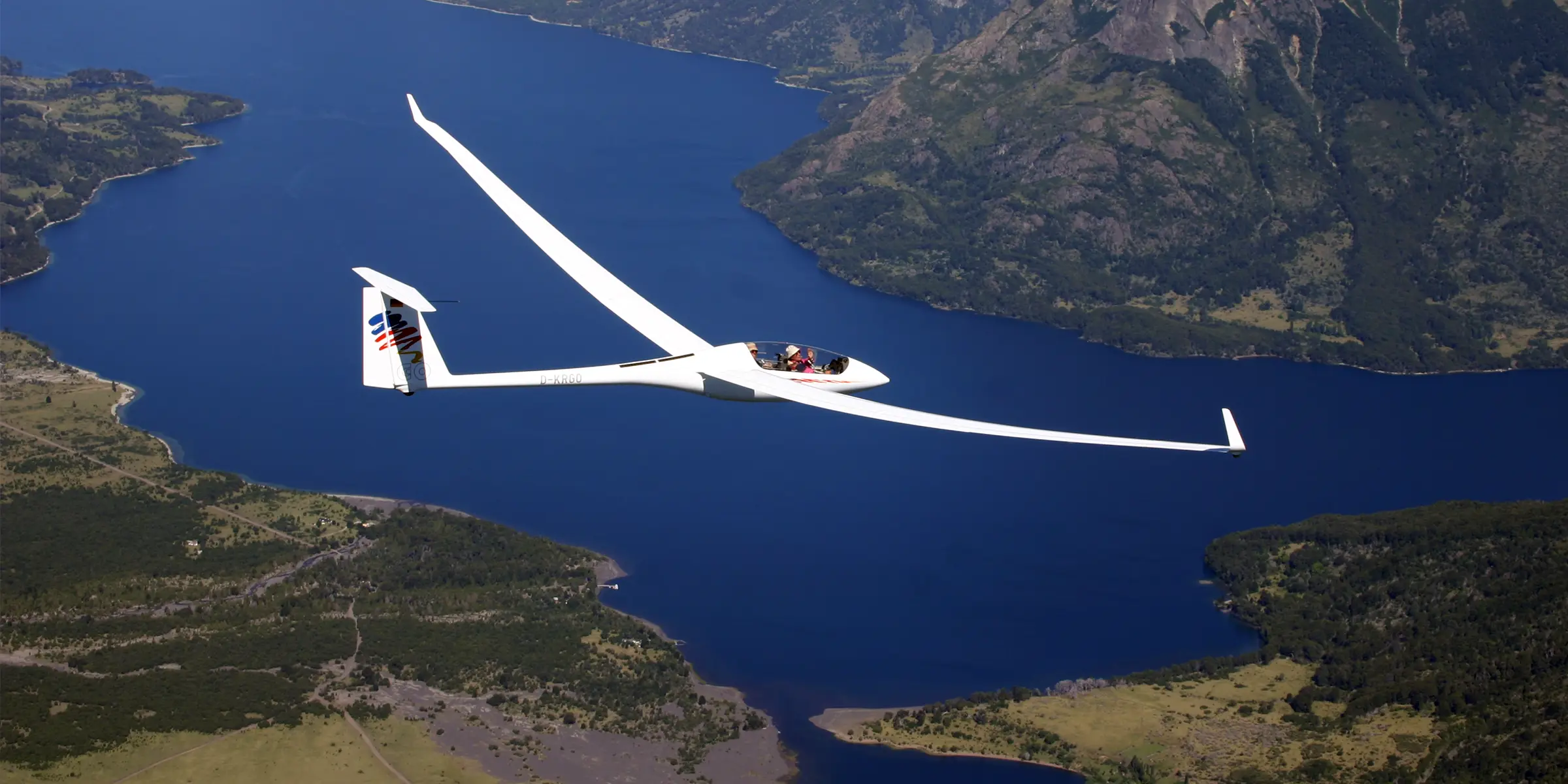
ASH25 EB28 two-seater: Self-launching high-performance glider for long-distance flights and competitions.
Two-seater ASH25 EB28
Competition and adventure.
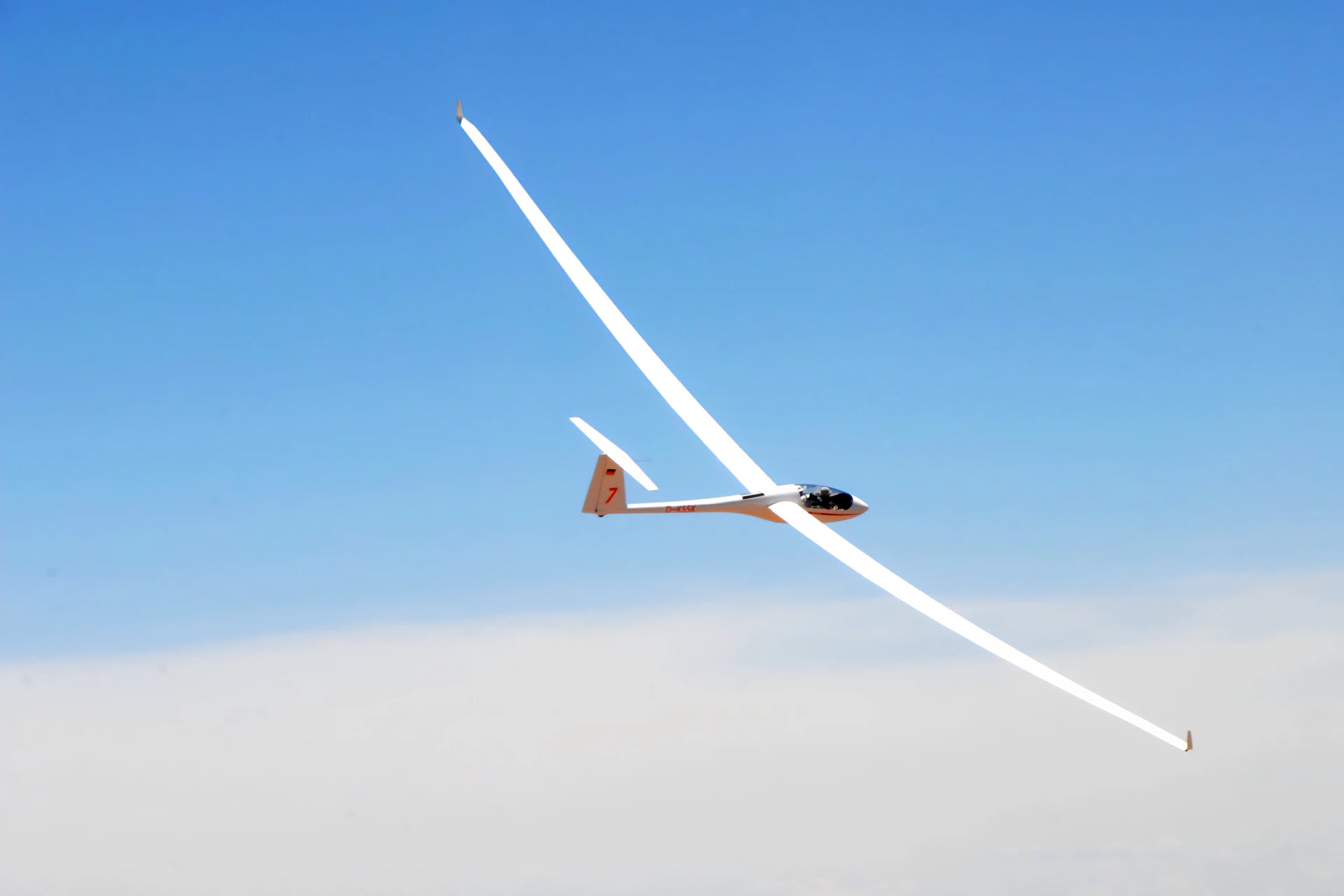
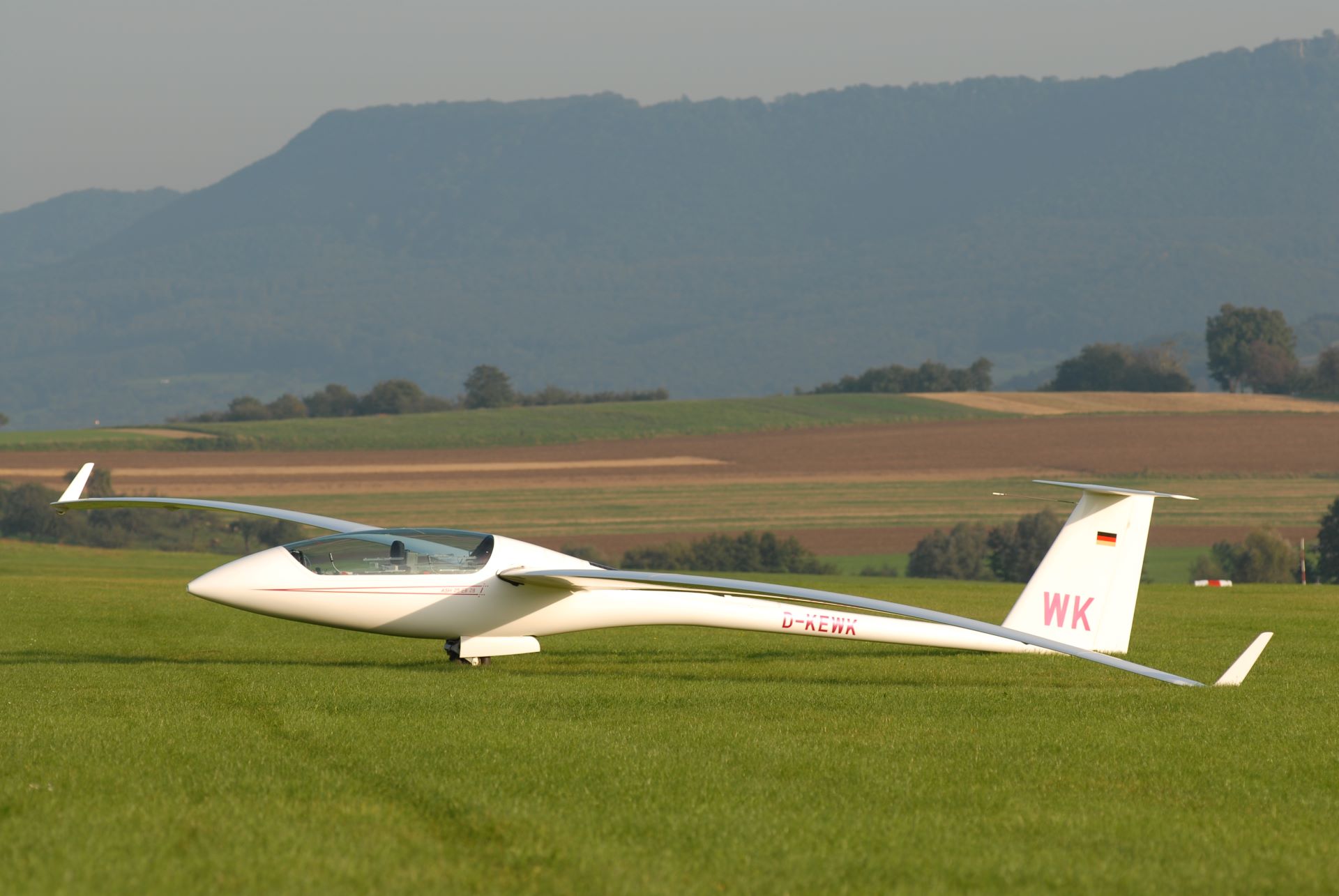
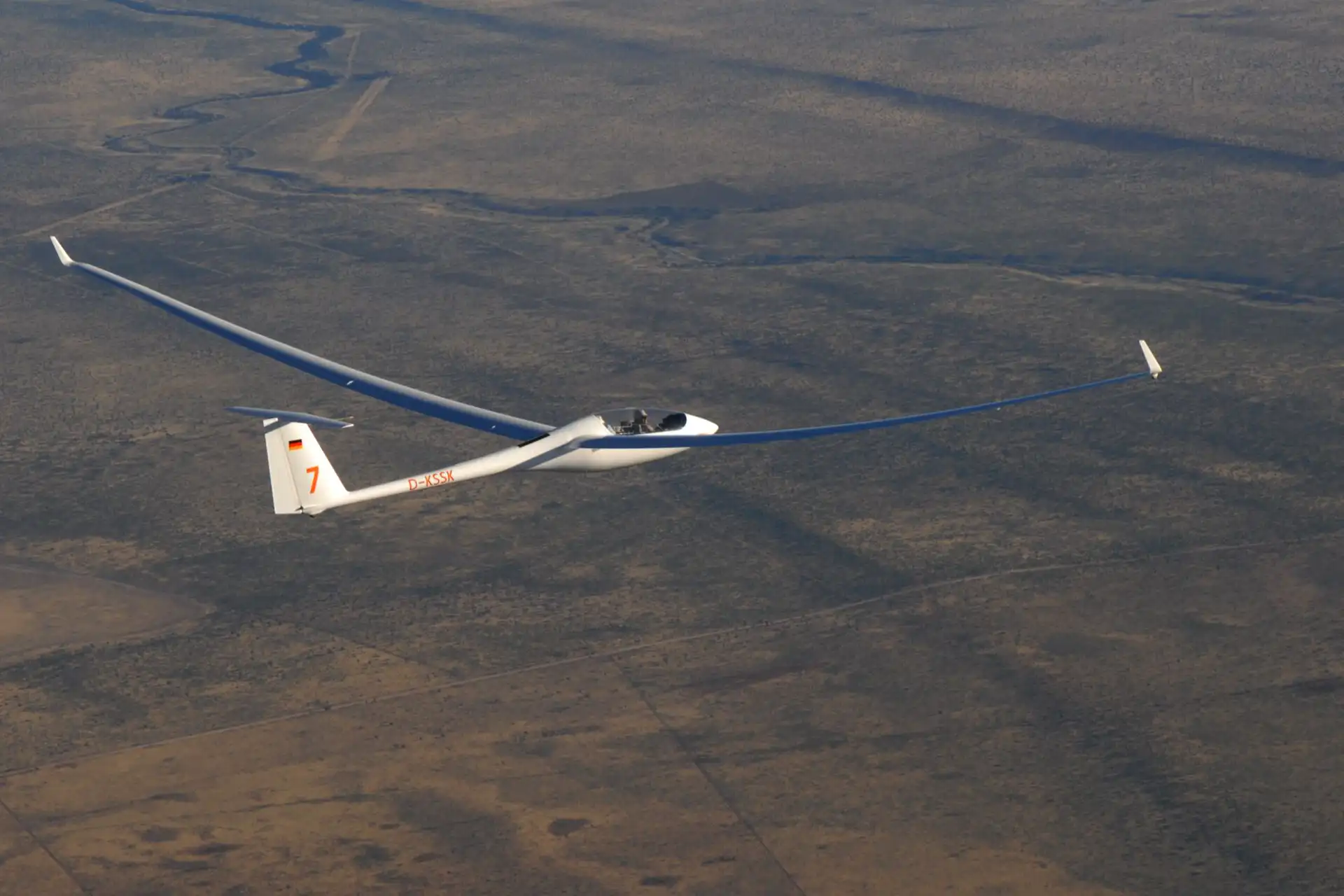
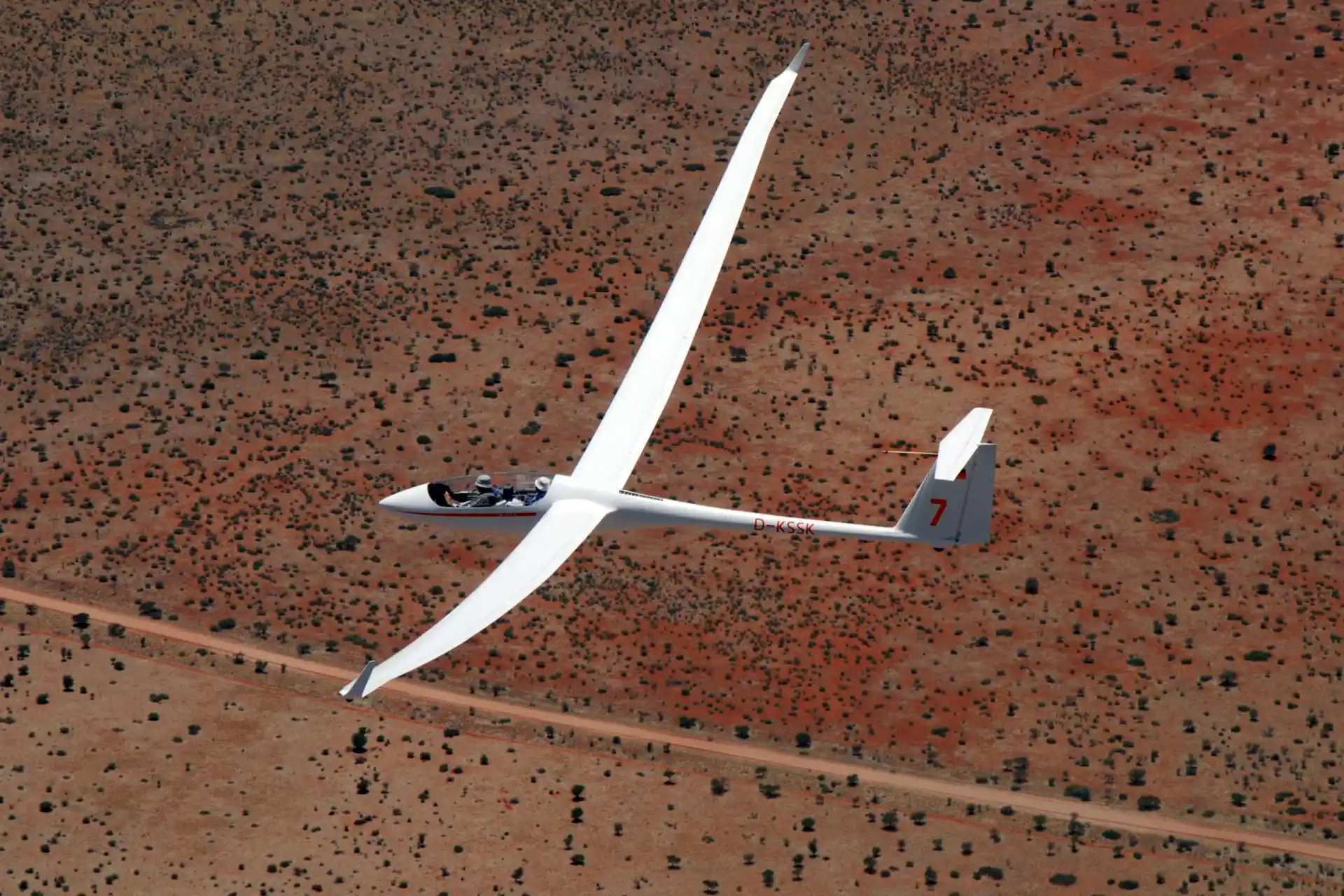
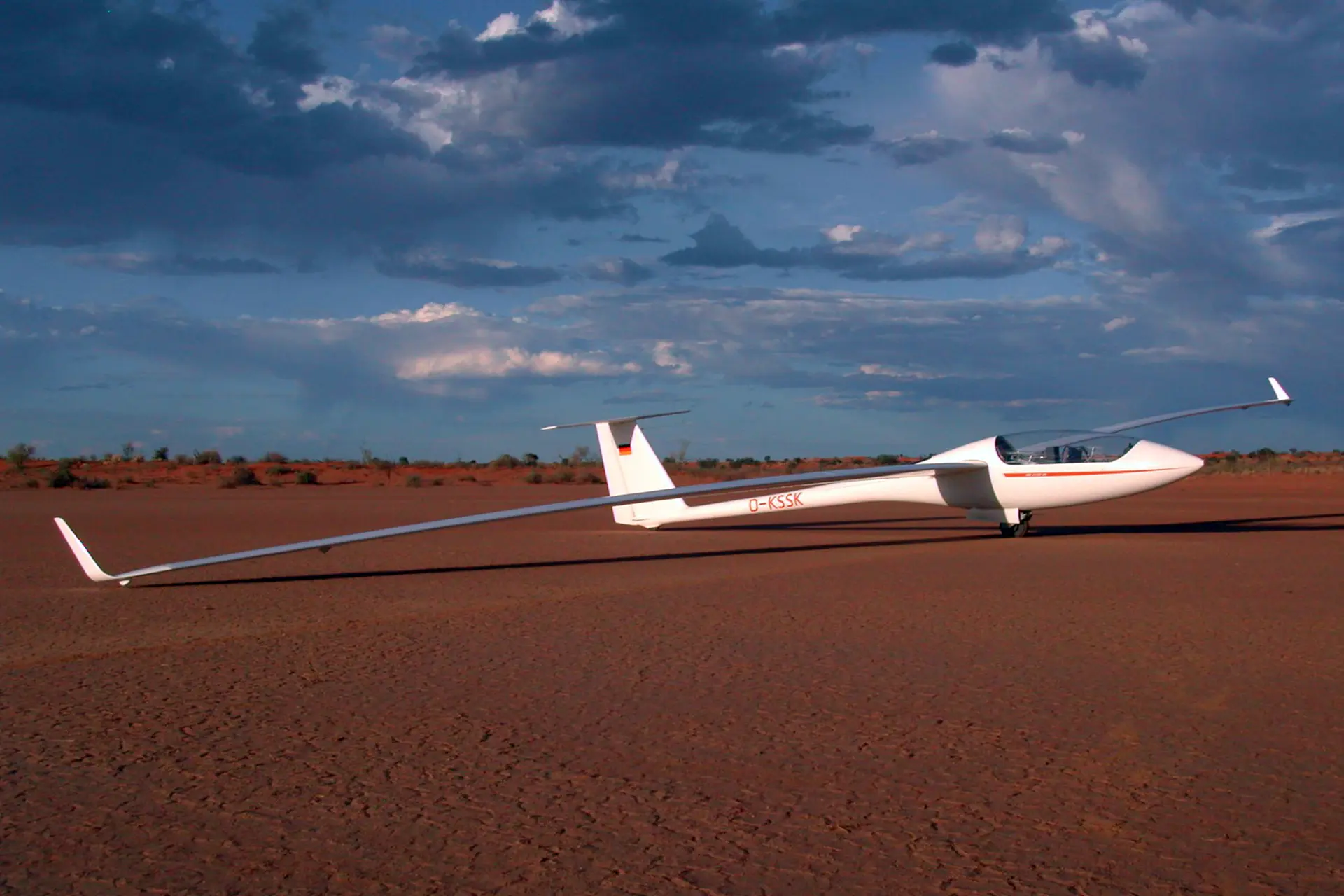
The ASH25 EB28 is a open class self-launching two-seater for cross-country and competition flying.
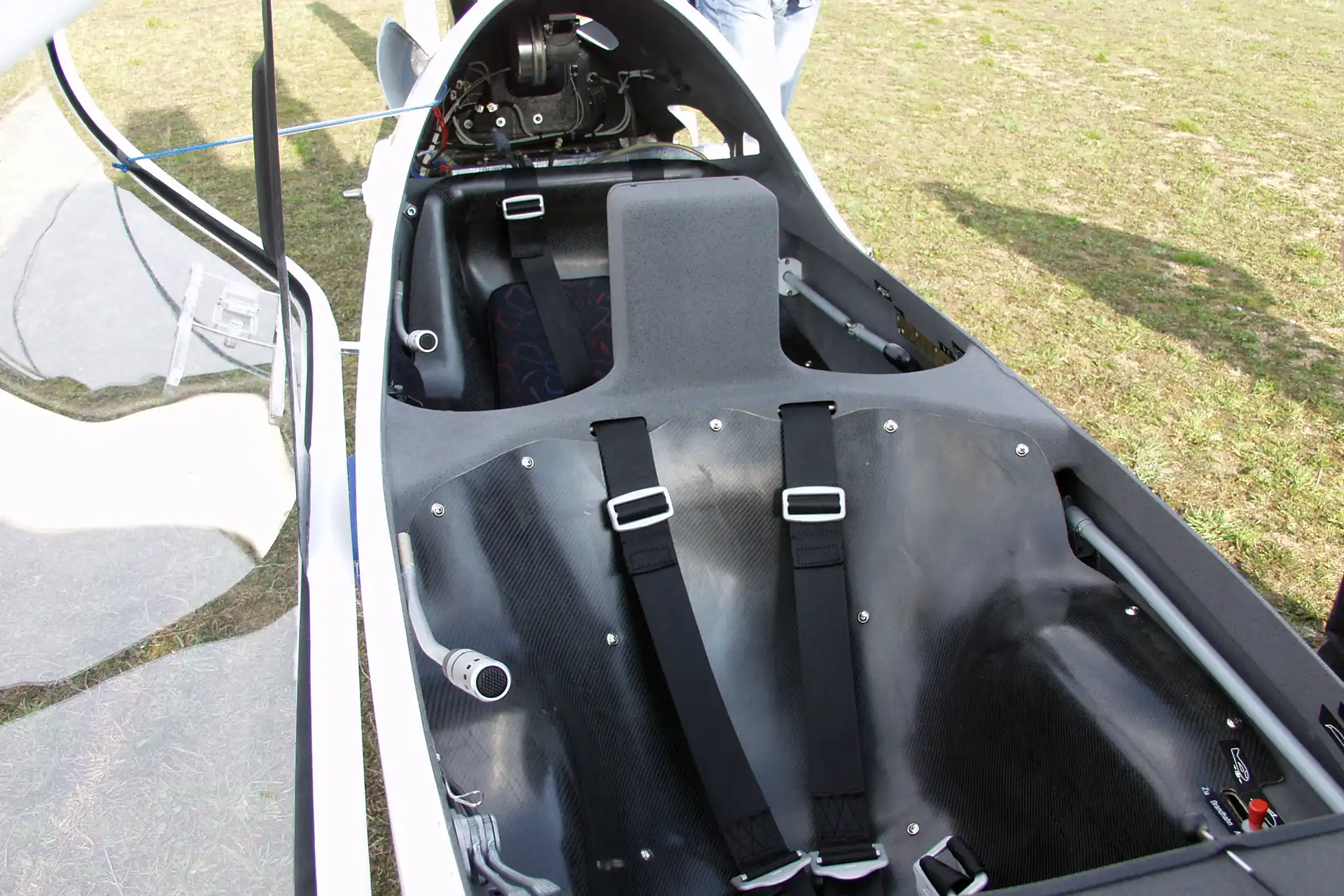
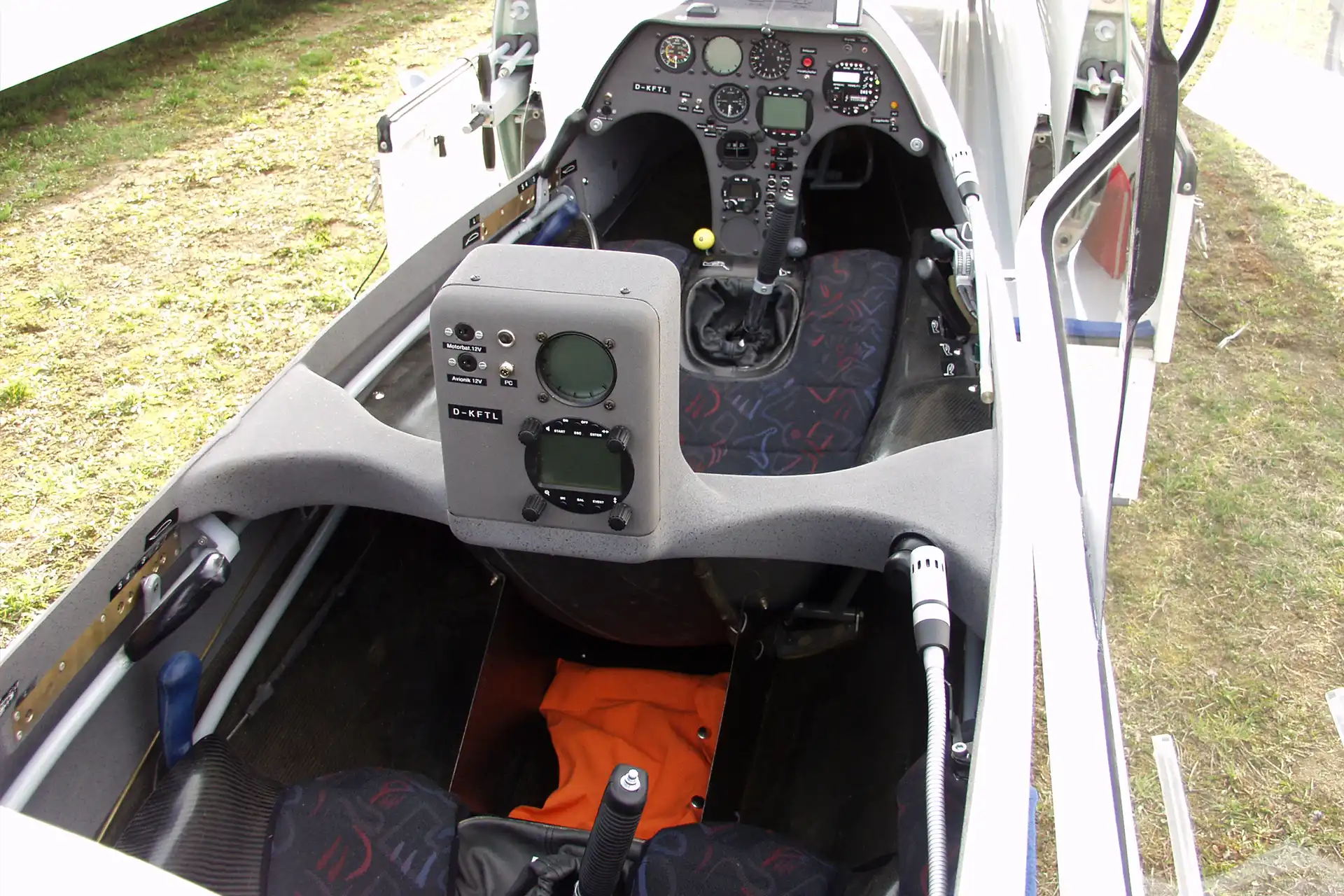
The spacious cockpit offers comfortable seating even for tall pilots, while the wing geometry and boundary layer control maximise performance and efficiency.
The ASH25 EB28 can be flown with a wingspan of 28 m or 25 m, depanding on the Choise of outer wing.
The powerful engine, numerous lightweight construction solutions and well thought-out details make the ASH25 EB28 the perfect glider for anyone who wants to take off together without compromise.
technical data ASH25 EB28
| wing span: | 28 m |
| wing area: | 17.61 m² |
| aspect ratio: | 44.5 |
| fuselage length: | 9.1 m |
| height (fin plus tailwheel): | 1.7 m |
| empty mass with minimum equipment: | ~ 605 kg |
| maximum ramp weight: | 810 kg |
| wing loading: | 40 – 46 kg/m² |
| maximum speed: | 280 km/h |
| minimum sink rate: | ~ 0.4 m/s |
| best gliderratio: | ~ 60 |
| Solo engine: | ~ 62 hp |
| composite propeller: | Ø 1.6 m |
| rate of climb with engine (ICAO standard atmosphere): | 2.6 m/s |
| cruise speed in powered flight: | max. 140 km/h |
| fuel capacity: | 8 l |
| data sheet: | EASA.A.076 |
Galerie
description ASH25 EB28
fuselage
- spacious cockpit, also suitable for tall pilots
- the seat pans are made of carbon and kevlar fibers for passive safety.
- rudder hinged in the middle, resulting in lower control forces
- air intake for cockpit ventilation in the fuselage nose
- rubber suspended landing gear
- hydraulic disc brake
- tail wheel
power plant
- Solo engine 2625 02
- douple ignition
- with centrifugal slip clutch in the toothed-belt drive, resulting in longer belt life and smoother running of engine and propeller
- power supply via two lead-acid batteries installed in the inner wing (total 14 Ah)
fuel tank
- fuselage ~8 l
- optional flexible fuel tanks in the inner wing with a capacity of ~17 l per wing
antenna
- Coaxial resonator antenna installed in the fin for optimal radio reception
equipment
- infinitely adjustable quick trim, adjustable via control stick lever
- rudder pedals in the front seat adjustable in flight
- TOST safety release for aerotow
- plug-in wing tips with wheels and fairings for better ground handling
extras
- landing gear strut with increased travel
- trim electrically operated with switch on the control stick
- carbon control rods in the wing, resulting in reduced length change with temperature fluctuations; flap deflection due to temperature is negligible (performance improvement)
- PU paint for better temperature resistance and reduced cracking of the paint
- refuelling pump permanently installed for filling the fuselage tank
- bracket for a 4 l oxygen bottle
- Blowing / boundary layer control
- the transponder antenna for the Mode S unit (unit and control head separate) can be installed in the fin, so there is no aerodynamic interference; the unit is installed under the engine bay
cockpit
- removable visible-carbon shell seats with integrated parachute wells
- one-piece plexiglas canopy for improved visibility for the pilots, with a total of 3 sliding windows.
- free-running bug wipers can be fitted through the two rear sliding windows from the rear seat.
- anti-fog canopy ventilation
- one individually adjustable air outlet for pilot and co-pilot in the right sidewall
controls
- rudder pedals with linear guides (adjustable before flight)
- control rods made of carbon fiber
- trim, electrically adjustable with control buttons on the sticks
- automatic elevator connection
wings
- Self-supporting, 6-part wing with laminar profile and double boundary layer control on the wing underside.
- the HQ17 is used for inner, outer and tip wing
- optional W28 tip wings for 28 m span or W25 for 25 m span
- fuel bags installed in the inner wings
- Aalerons in CFRP construction with high-modulus fibers, making the control surfaces particularly light and stiff.
- metal dive brakes with spring-loaded covers on the wing upper surface
- pushrods in the wing sealed by bellows
T-tail
- damped tailplane, horizontal stabilizer in CFRP sandwich construction
- fin made of fiberglass, providing better reception for the built-in radio antenna.
weight saving
- During production of the fuselage shells, approx. 10 kg of weight is saved by vacuum removal of excess resin.
- Further 5 kg weight saving possible by using lithium-manganese batteries in the fuselage instead of lead-acid batteries in the wings
option
Performance optimization through boundary layer control in slow and fast flight.
An air duct is integrated into the wings. The air enters this duct through the NACA scoop installed on the side of the fuselage and exits through small holes along the wing underside. In fast flight the air supply to the blowing system can be shut off. The “bubble” is then disturbed by a knurled tape installed behind the outlet holes.